
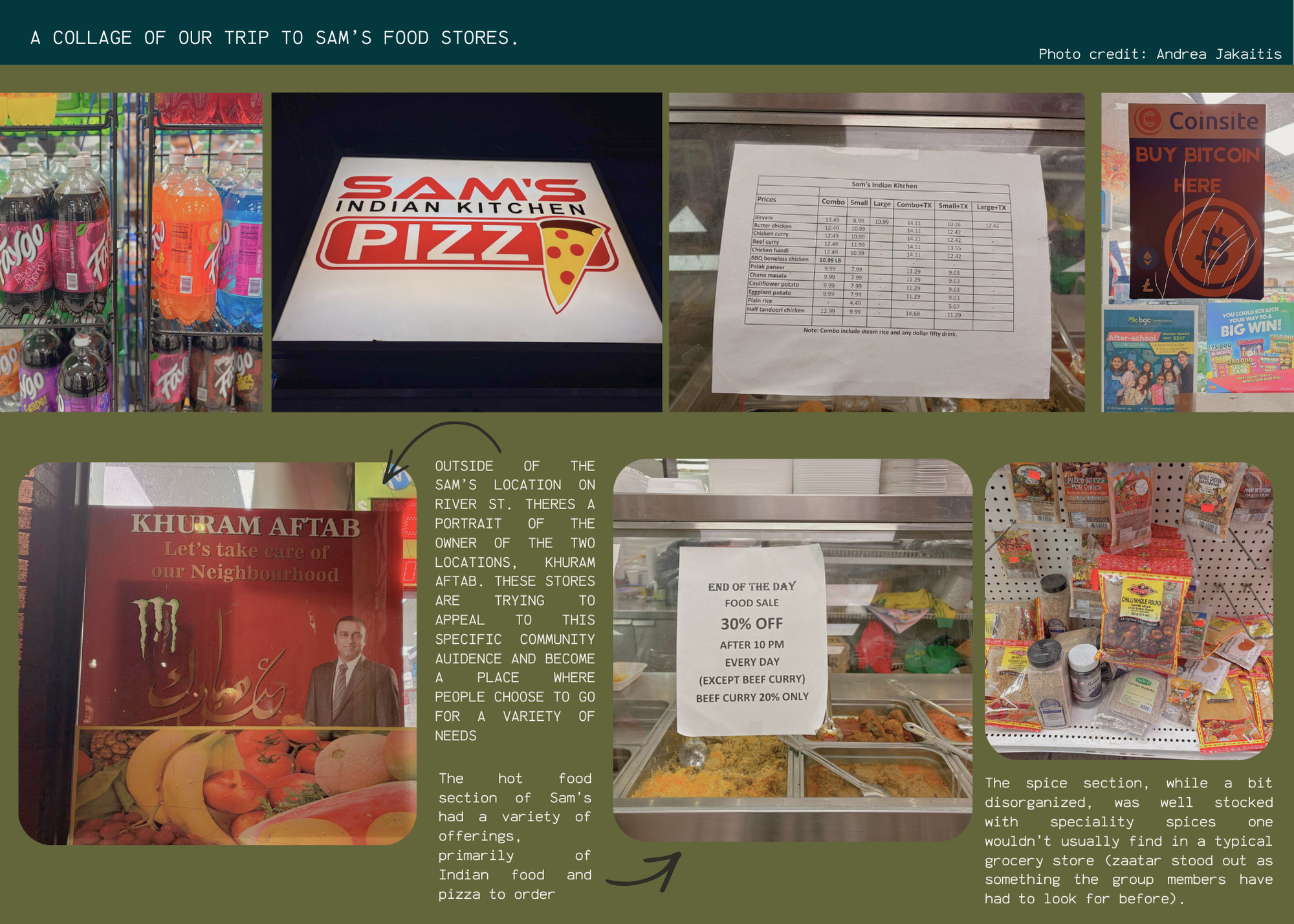
Image 1: Collage of our trip to Sam’s Food Store on River St
Our research
After class on Thursday evening, our group took to the streets to investigate the Sam’s Food Store location on River St. as a potential focus for our documentary. Sam’s on River St. is a 24-hour convenience grocery store with a variety of halal hot food options and a unique combination of items for sale (bedsheets stuck out to us as something we do not typically see in stores of this nature). As we roamed the aisles, questions about how decisions on stock are made, what the loss prevention strategies are, and how the ready-made food offerings fit into the cultural context of Regent Park became topics of conversation between us. After chatting with the cashier and finding out when the owner, Aftab Khuram, is around, we made our way to Rabba, which is within sight of Sam’s. Rabba is another chain of 24-hour convenience grocery stores and a direct competitor of Sam’s. It was there that we ran into one of our classmates, Ali, buying two shawarmas from the Rabba hot food counter (one for dinner and one for lunch). The selection at Rabba similarly caters to the diversity of the community as Sam’s does, displaying a variety of halal options, from rice-stuffed vine leaves to poutine.
The pivot
We reconvened after taking a few days to think and discussed refining our question. Could Sam’s be the lens through which we explore the differences between the old and new layouts of Regent Park, trying to see what explains shifts in the community’s identity? What is Sam’s to the community, if anything? We were losing steam. In all honesty, the members of our group were not excited about this project. We felt as though we were continually running into barriers, even during the brainstorming phase. We needed to pivot. We decided to return to what originally united this group: art.
Something new: Stories Told
2025 was the first year there was a Major Institution Project, and the second year there were exhibits at all in Regent Park for Toronto’s annual city-wide nocturnal art festival Nuit Blanche. The exhibit was in the very building where we have class every week, and some of the artists are still there on a regular basis to use the studio space. One of them, Benny Bing, was even an interviewee for one of last year’s projects (See The Artists from 2025).
The exhibit, titled A Place Called Home, featured five contributing artists (Morgan-Paige Melbourne, Benny Bing, Melissa Falconer, Komi Olaf, and Madhu Kumar), as well as the Community Music Schools of Toronto. The exhibit seeks to highlight “hidden voices that shape the city’s cultural fabric” (Daniels Spectrum, 2025). We found this incredibly powerful and highly relevant to our class, as it foregrounds community voices that are often marginalized in narratives about urban redevelopment. Nuit Blanche’s 2025 theme was “Translating the City,” and this exhibit is a force acknowledging that the community voices of Regent Park have been hidden under marginalization and displacement within the mainstream cultural landscape of Toronto.
Regarding the revitalization and the changing nature of the neighbourhood, this exhibit acknowledges the rhetoric of Regent Park’s identity being “lost” through the process of revitalization. It’s hard not to think this way; the revitalization completely changed the physical landscape of the neighbourhood, almost as though the old Regent Park was leveled and then rebuilt from unspecific puzzle pieces made of market-rate condos and luxury fitness studios. Our group believes that A Place Called Home responds with the fact that Regent Park’s identity is not lost. The community remains, and maybe you’re just not seeing it—it’s there in the art. While the streetscape has changed, these stories are continuing to be told through art. Rather than telling the story of something that is no longer there, our group is hoping to tell the story of what is in Regent Park now.
Using A Place Called Home as our lens, our group’s new research question is: In what ways does art reveal Regent Park’s identity despite the homogenizing effects of revitalization?
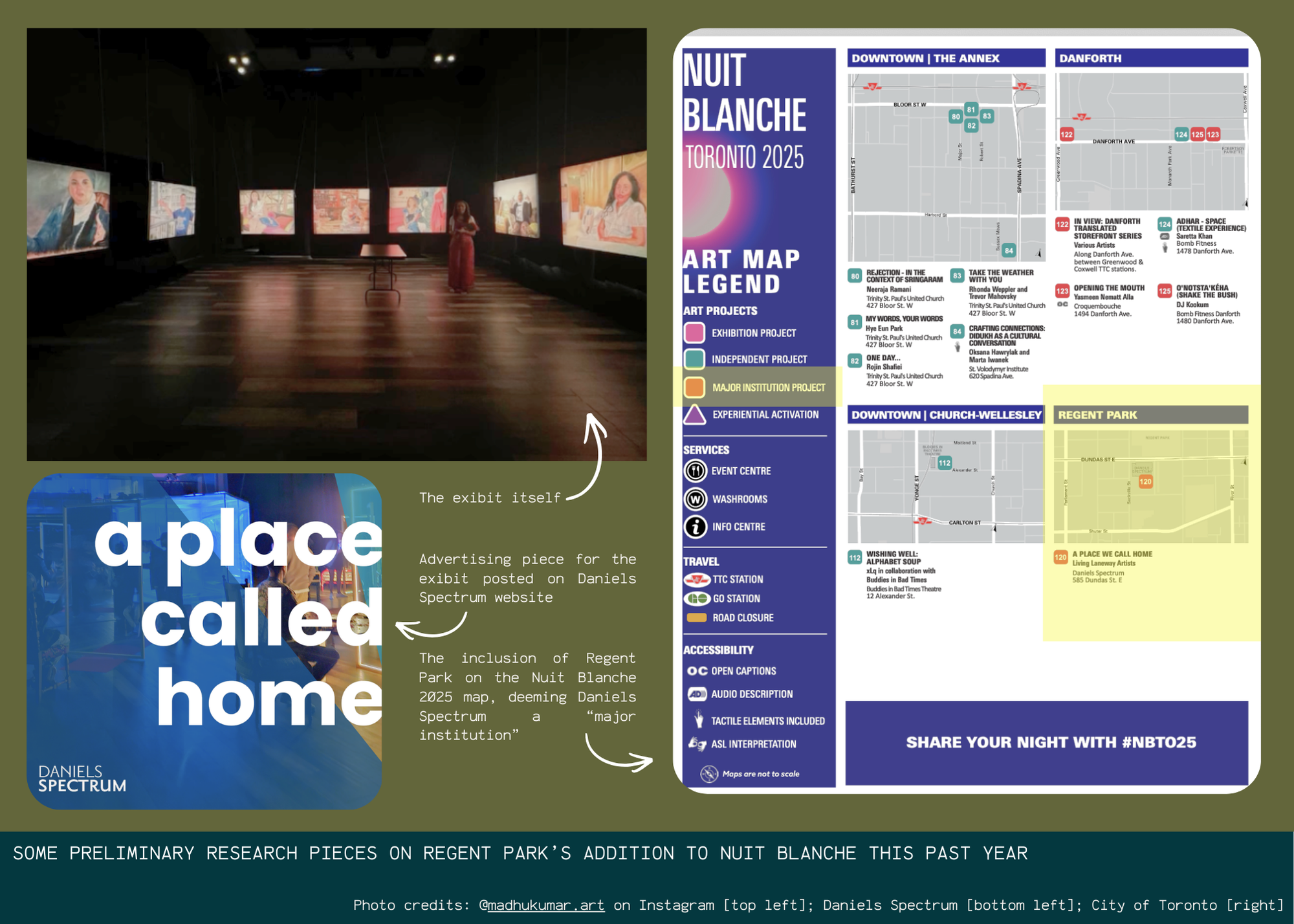
Image 2: Some preliminary research on Regent Park’s addition to Nuit Blanche, 2025
Our format
The documentary will center on interviews with artists involved in A Place Called Home who are also members of the Regent Park community. These interviews will explore how the artists understand their own identities and how their creative work reflects and shapes the identity of Regent Park. The film will combine interview footage with scenes of the neighbourhood and the Daniels Spectrum studio spaces to situate the artwork within its community context. Through these conversations, the documentary will hopefully highlight how art acts as a medium through which community stories, histories, and identities continue to be expressed alongside the neighbourhood’s ongoing revitalization.
Production / Implementation Plan
During the week, we are focusing on researching and contacting the artists who made A Place Called Home. By Tuesday, we will begin reaching out to artists to request interviews. Later in the week, we will develop a list of interview questions focused on artist identity, community connection, and perceptions of Regent Park’s changing landscape. Once participants confirm, we will schedule interviews and begin filming on-site at Daniels Spectrum and around Regent Park to capture contextual footage.
References
Daniels spectrum named Major Institution for Nuit Blanche 2025. Daniels Spectrum. (2025, September 18). https://www.danielsspectrum.ca/daniels-spectrum-named-major-institution-for-nuit-blanche-2025
The team members of Store-ies are Eryn McDevitt, Andrea Jakaitis, Fatmata Bakarr and Caitlin Devion.