Renee’s thoughts:
Going from just breaking the ice with everyone in this class to making teams, working together on research, and creating a documentary film has been an unforgettable experience.
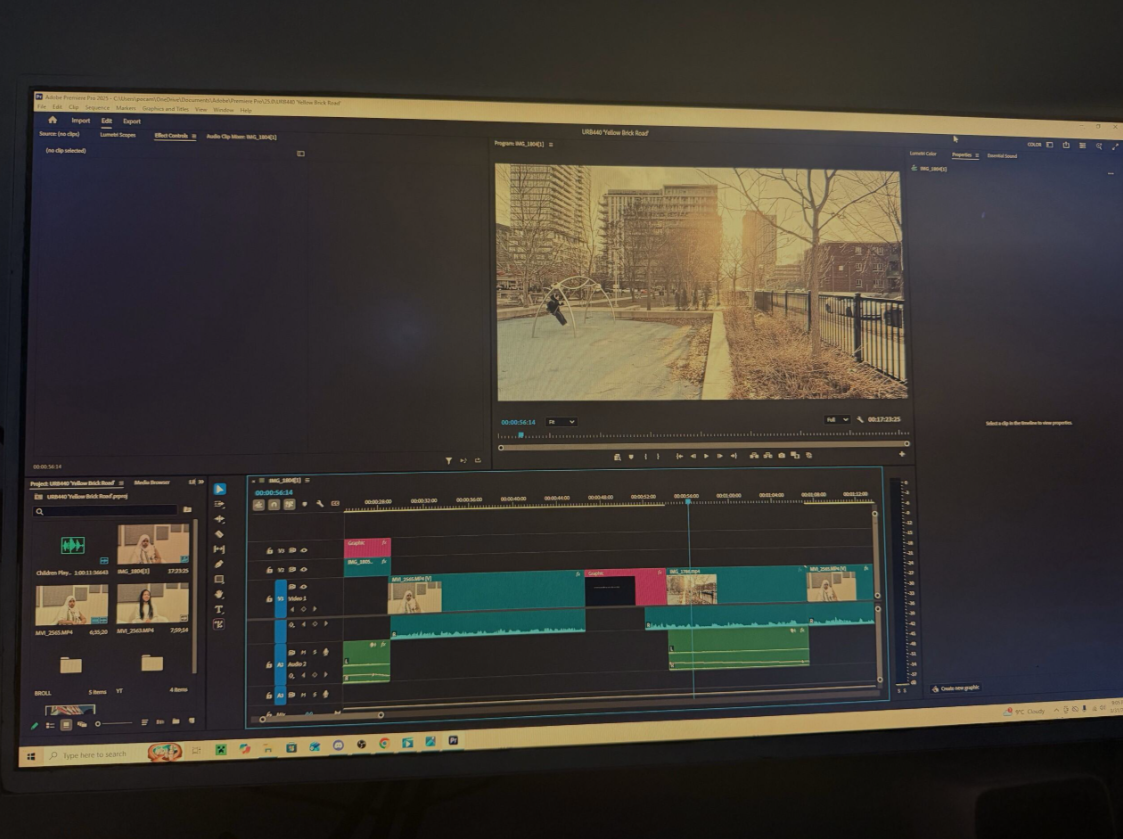
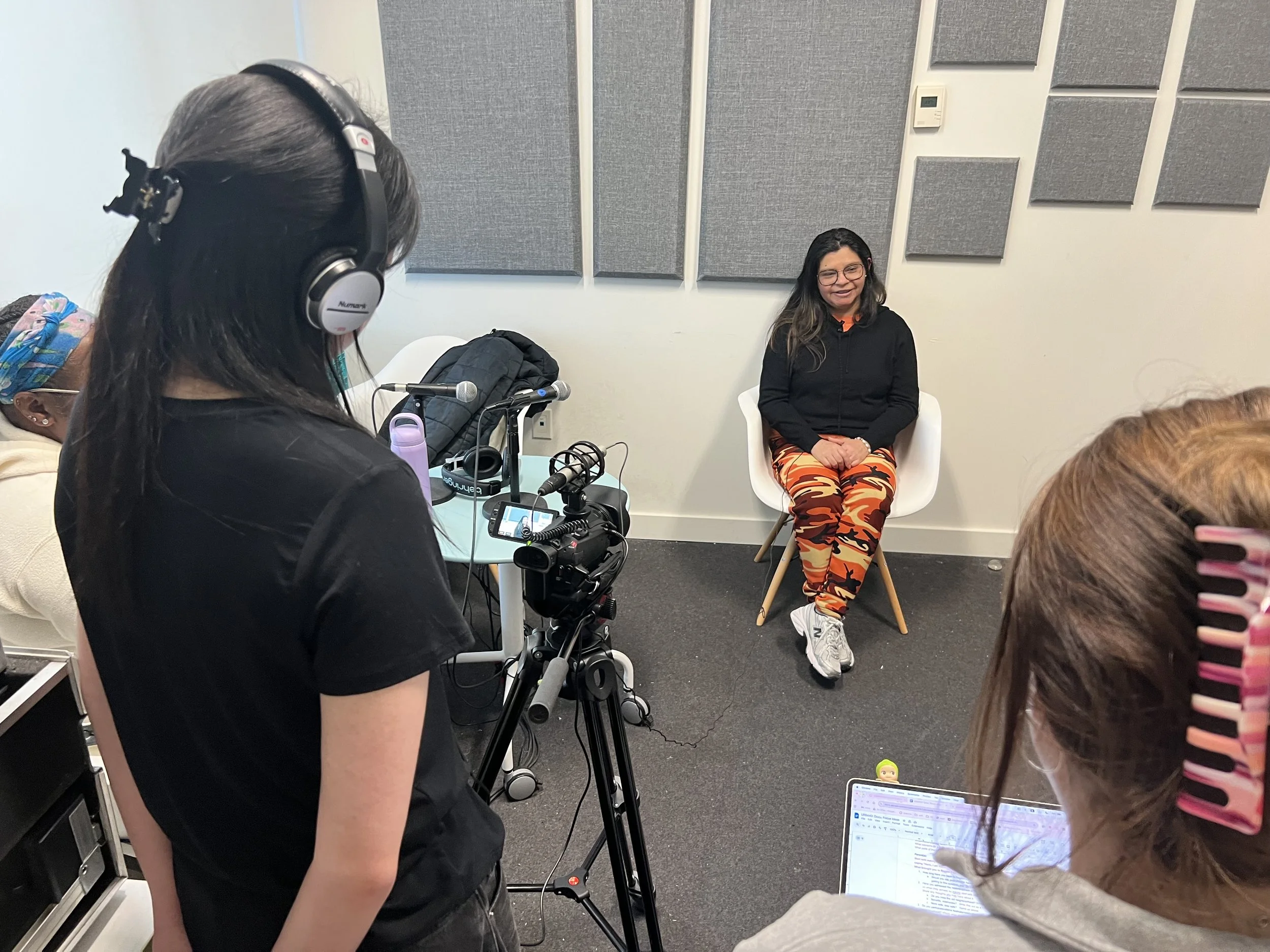
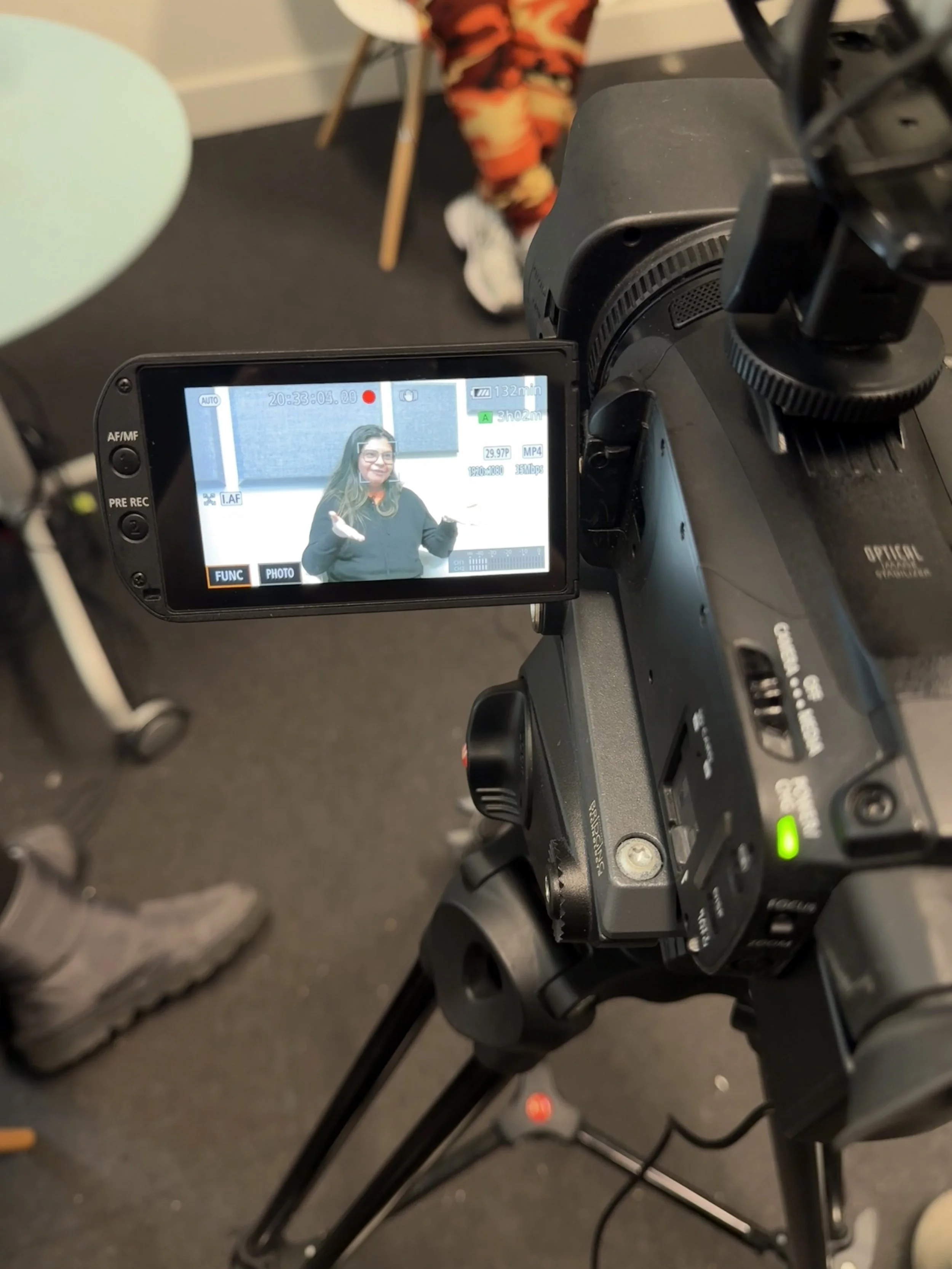
When we went over the documentary draft that Lexie produced, a lot of positive feedback was given, and our group was pleased with what Lexie made. While watching the draft, it felt like a comforting and safe space, where Sureya was sharing her experiences while educating us on the happenings here at Regent Park. There was a great sense of warmth throughout, and it didn’t bore me compared to other documentaries I’ve watched. The story produced felt genuine and deeply personal. I think as a group we all very much loved the ending, where Lexie was able to find a clip of Mothers of Peace going on one of their nature trips, to Niagara Falls specifically. It felt healing after watching the middle section of the film, where we mostly learned about gun violence, community centres, and the need for a community.
From Lexie:
This week was defined by the intensity of editing, long hours spent cutting, rearranging, and second-guessing decisions as we tried to do justice to the story we were entrusted with. The process was honestly stressful at times, especially balancing pacing, tone, and making sure the narrative felt both cohesive and respectful. Despite that pressure, seeing the draft come together and hearing such positive feedback from both my group and others was incredibly reassuring. It felt like a turning point where the project shifted from something uncertain into something meaningful and real.
This moment has pushed me to start thinking ahead: the documentary is nearing completion, so my focus is beginning to transition toward the final article/essay, where I’ll need to reflect more critically on the themes we’ve explored and the urban issues shaping Regent Park.
Alpha’s thoughts:
Spending our second to last class of this semester, I also realized that this is going to be some of our group members’–as well as our classmate’s–last weeks as students of UofT. From strangers and to friends who worked, debated, and contributed to this project, I felt that we had formed a special bond.
The documentary that Lexie had devoted hours— days to make was heartfelt and makes us feel grateful that there are people like Sureya. Personally, I admire Sureya's power in bringing together and creating a safe place for vulnerable mothers who had lost their children to gun violence. Beyond that, the documentary is very educational and raises awareness that gun violence is not only an issue rooted in Regent Park, but something that occurs in all places, at random intervals.
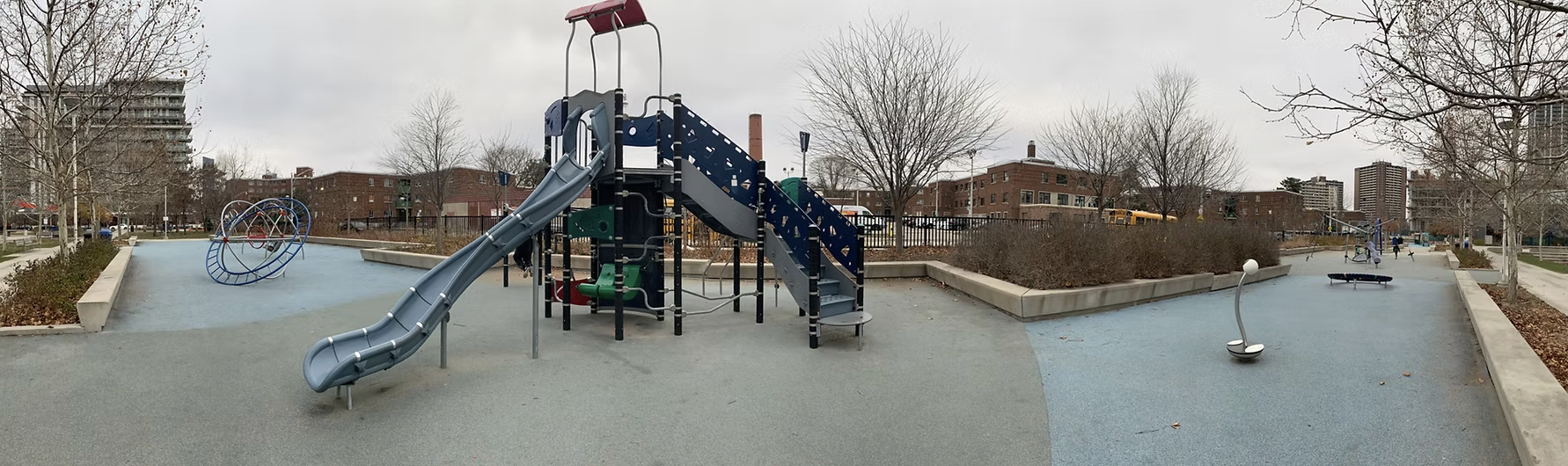
For the exhibition next week, I hope that our documentary becomes a part of a milestone that helps Regent Park take shape as a place that endorses hope and community engagement.
The whole Yellow Brick Road team has poured their hearts into this project, and every member is excited to present our final documentary on Thursday. As part of our project, we wanted to feature some recent events both Sureya and MOPRP have been a part of.
Mothers of Peace Facebook page: https://www.facebook.com/mothersofpeacerp/
Louis March Park:
https://nowtoronto.com/news/a-place-for-connection-and-healing-regent-park-green-space-renamed-after-anti-gun-violence-advocate-louis-march/
Who should be on the bank notes:
www.tvo.org/article/who-should-be-on-canadas-new-bank-note