
This week was a pivotal one for our project, as we all started to realize just how much time was ticking and just how little time we had left for our project! With some support from Aditi, Adonis, and the FOCUS staff, we were able to streamline what needed to get done and get some support in acquiring interview contacts, while also continuing our ongoing research and archival documentation around ice rinks and Canadian identity.
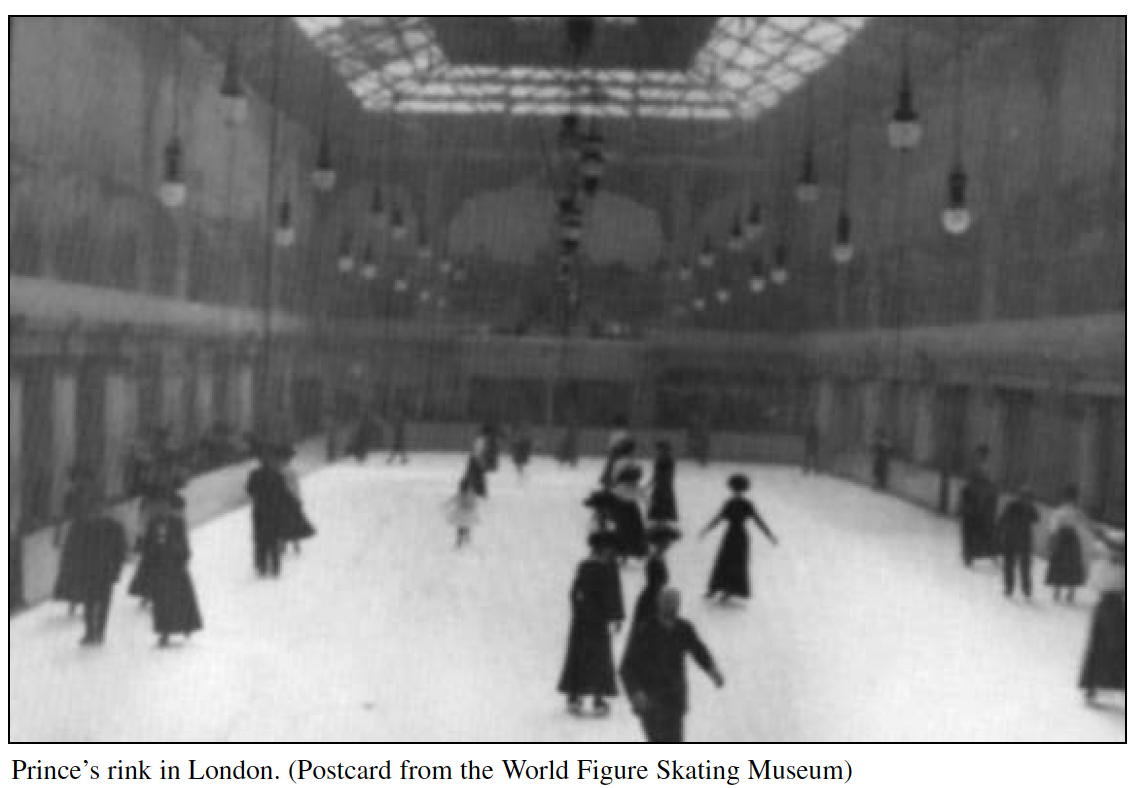
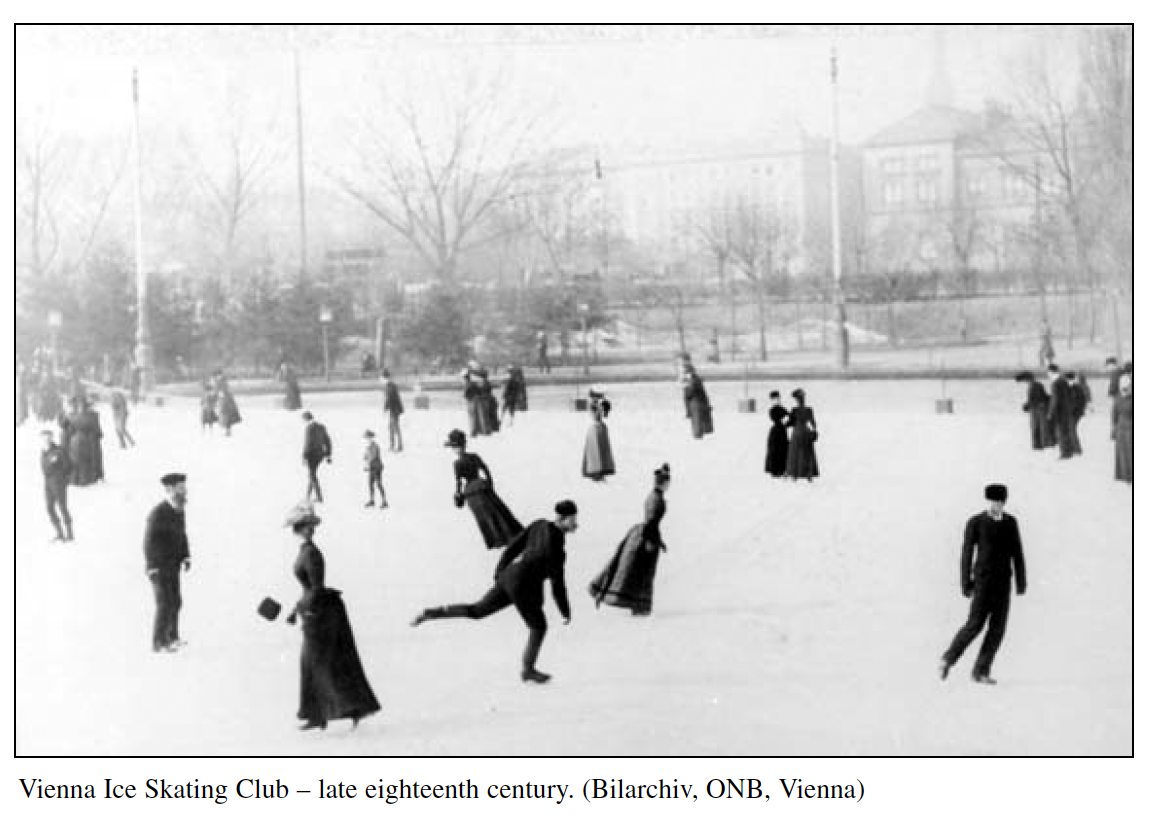
First, talking with Aditi helped us to create an action plan for interviews and a backup plan if the interviews didn’t pan out as we’d hoped. It was a good opportunity to practice adaptability and flexibility in regards to our project, and to envision how other aspects of our project, like archival photos, voiceover narration, and stitching stories together, might help us communicate our idea should we not get access to the exact interviews we want. Luckily, Tyrone and Adonis both helped connect us to some community members, including a local hockey coach and an original Regent Park resident who has used the skating rink for decades, and we are hoping to interview both of them this coming week! Then, over the weekend, Sumayyah and Mishika successfully conducted our first two interviews and scheduled a few more for this coming week. Overall, we are feeling like we are in much better shape! Interview footage from their wonderful conversations have been uploaded as our media component for the week.
Beyond interviews, Charlotte and Maddy have been continuing to do research around ice rinks, looking at their intersections with both urban planning and with Canadian identity. As a result, the focus of our main research question has shifted a bit. Initially, we were looking at how youth/elders in the community viewed the rink differently across generations. Now, given our interview subjects and the supplementary research we’ve been able to access, we are focusing more on how the notion of neighbourhood or community identity is (de)constructed in regards to the rink, given that ice skating is a particularly ‘Canadian’ concept, and the demographics of Regent Park residents are predominantly immigrants who may not have skated in their home countries/countries of origin.
Some particularly interesting tidbits from this research include a TMU graduate student’s capstone paper on urban planning for ‘winter cities’ – a movement founded by architects, designers, municipal planners, and urbanists in the 1980s to encourage better use of public space throughout the winter season. It presents an interesting tension between projects that have made outdoor space more palatable in the winter, like public art and street fairs, versus projects that have sought to “control the environment during the cold season”. As an example of the latter, it discusses the construction of the Eaton Centre, a large mall within walking distance of Regent Park, wherein its main architect Eberhard Zeidler stated that he considered the project a huge success because it created a “thermally neutral environment” in no way connected or related to outdoor space, where citygoers could escape the winter. This brings up interesting questions about the importance of outdoor public spaces, as well as their relationship to retail foot traffic, street safety or ‘eyes on the street’, and overall how we engage with and value different kinds of public space. While not all of these questions or concepts are going to be within the scope of our project, it was very interesting to gather background information to engage with our project through a more theoretical or academic lens, and we hope to include some of this information in our final paper, even if it doesn’t make it directly into our documentary.
The team members of Frozen in Time are Mishika Khurana, Maddie Wintermute, Sumayyah Shahajan, and Charlotte Pink.